
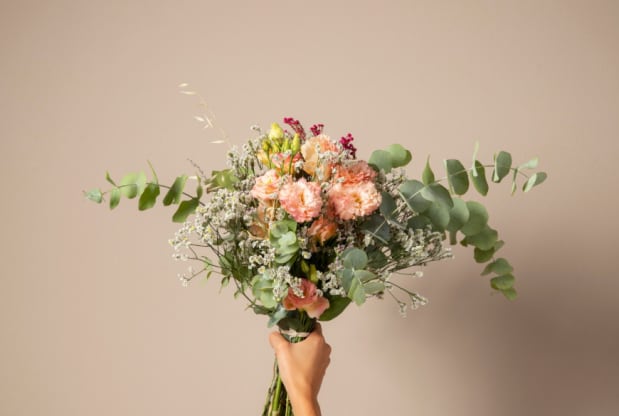
Before getting into the details of balance, it helps to understand what this guide will walk you through so the process feels smooth rather than overwhelming. Here, the focus is on how color, shape, spacing, and small adjustments work together to create a steady, pleasing arrangement. Whether you’re designing something for your own space or pairing it with the leading anniversary flowers delivery in Katy, TX, the goal is simply to help you see how each choice affects the final look. Once you start noticing how these elements interact, arranging flowers becomes far more intuitive.
Understanding Balance in Floral Design
Balance isn’t about strict rules or perfect halves; it’s about whether the design feels steady when you look at it. Some flowers carry more visual weight because of their size, shade, or texture, while others take a quieter role. When these pieces settle into place without one area stealing all the attention, the arrangement feels comfortable to the eye. Achieving that sense of calm often comes from small shifts rather than dramatic changes.
Choosing the Right Flowers and Colors
The flowers you pick set the tone right away. Some carry a softer presence, others bring more energy, and the mix between them shapes the atmosphere of the arrangement. Color also plays a big part. Gentle tones create a relaxed mood, while stronger shades add depth and structure. It usually helps to choose flowers that feel like they belong together, even if they aren’t from the same color family. When the flowers look naturally connected, balance becomes easier to achieve.
Utilizing Different Shapes and Sizes
Arrangements feel far richer when you blend different shapes and sizes instead of relying on one style of bloom. Taller stems can guide the eye upward, rounder flowers create a sense of comfort, and slender shapes help transition between areas. Letting stems fall at slightly different angles lends the piece a natural flow. Often, it’s these subtle shifts that keep an arrangement from feeling stiff or overly structured.
Importance of Symmetry and Asymmetry
Symmetry can give a calm, orderly feel, while asymmetry brings movement and interest. Both can work beautifully depending on what you’re aiming for. Sometimes, placing one bold flower off-center sparks life in the whole design, while other moments call for equal spacing to create stillness. The trick is noticing how your eye moves across the arrangement. If it glides easily, you’re close to the balance you want.
Tips for Achieving Visual Weight Balance
Visual weight isn’t always tied to size. A darker bloom may feel heavier than a larger pale one, and a textured flower can draw more attention than something smooth. When arranging, pay attention to how each flower pulls the eye. A piece feels balanced when the attention spreads gently instead of being stuck on one spot. Often, it’s the blend of quiet areas and strong focal points that creates harmony.
Enhancing Balance With Foliage and Fillers
Greenery often makes everything fall into place. Soft leaves help bridge gaps, while broader ones offer support and structure. Smaller accents can bring softness or brightness without overwhelming the main flowers. When the greens and fillers feel like they belong with the blooms, rather than just filling space, the arrangement settles into a natural, steady rhythm that makes the whole piece feel complete.
Related Topics:
