
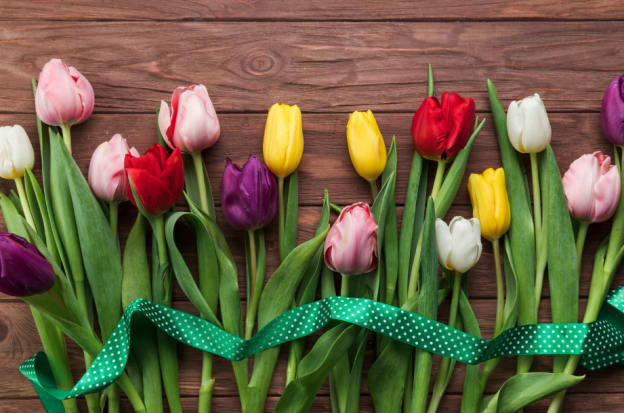
Tulips are amazing if you stop and watch them. They start as little bulbs buried in soil, and then, slowly, they appear. It's like magic, but really it's all nature doing its thing. Planting them properly in the fall, with a bit of compost, helps a lot, and a professional florist can give tips that make all the difference.
You don't really notice everything at first. Roots grow underground, leaves push up, and eventually a bud forms. Then the bloom shows up, and it's like, wow, where did that come from? How it all fits together depends on water, soil, and even temperature.
Tulip Bulb Planting Process
Starting with bulbs is straightforward, though a little careful work helps. You want a sunny spot and soil that drains well. Dig a hole a few times the bulb's height, maybe more if the soil is loose, and space them enough so they don't crowd each other.
Some people forget to add compost at the bottom, but it really helps. Point the bulb upward, cover it with soil, and water it in. Planting in the fall is key because the bulb needs time to set roots before winter. Then, all winter long, it just sits there quietly. By spring, it begins to wake up and push toward the light.
Tulip Growth Stages Explained
Tulips go through a few stages, and you can see them if you watch closely. First, germination water hits the bulb, and roots and shoots start. Then the seedlings appear, with the first leaves.
Next comes the vegetative stage, where the plant is basically storing energy for later. Finally, the reproductive stage brings the buds and blooms. Watching it go through all these stages is mesmerizing. It's like the plant is reminding you to be patient.
Factors Affecting Tulip Growth
A lot can influence how tulips grow, more than people realize. Temperature matters; they like it cool, around 55 to 60 degrees. Sunlight is obviously needed, but too much can scorch them sometimes.
Soil quality matters too; waterlogged soil will rot the bulbs, and a slightly acidic to neutral pH is best. Watering needs balance; too much or too little can mess them up. Honestly, noticing these small things makes the difference between a sad bloom and a strong, vibrant one.
Tulip Care Tips for Each Season
Tulips need attention all year, though the kind of care changes. In spring, water them but don't drown them, and a little fertilizer helps. Pests might show up, so keep an eye out and deal with them quickly.
Summer is mostly downtime. Leaves die back naturally, which stores energy for next year. Some gardeners lift bulbs in hot climates to give them a break. In the fall, it's about preparing to plant new bulbs, mulching, and trimming old foliage. It's a little work, but it's worth it when they bloom.
Common Tulip Varieties and Colors
Tulips come in all kinds of shapes and colors. Single Early, Triumph, Darwin Hybrid. It's a long list. Each type has different petals, heights, and bloom times.
Colors range from classic reds, yellows, and whites to purples, pinks, and even orange. Some are bi-colored, which looks strange at first but grows on you. Favorites include deep purple 'Queen of Night' or soft pink 'Candy Prince.' It's easy to get lost in the variety when picking for a garden.
Significance of Tulips in Gardening
Tulips are great because they're easy, colorful, and flexible. They grow in lots of climates and soils, which is nice if you're new to gardening. Seeing a garden filled with them makes everything look lively.
They're also low-maintenance, so even if you forget a week here or there, they usually bounce back. You can plant them in beds, borders, containers, or even inside. Their beauty and adaptability are why they've been favorites for so long.
Related Topics:
