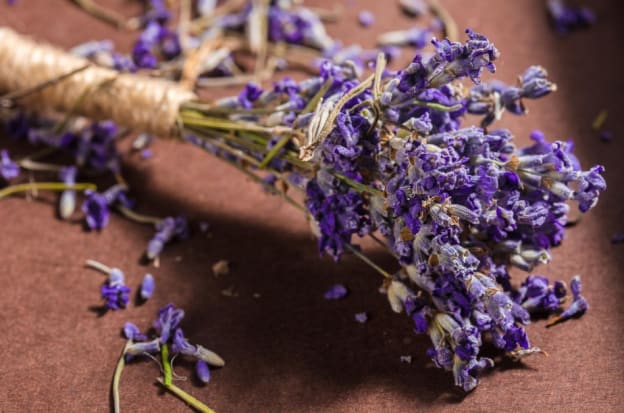
Lavender (Lavandula species) is honestly one of those plants that’s just everywhere if you stop to notice. People have used it for over 2,500 years, mostly in Mediterranean cultures, for all sorts of wellness stuff. It has these oils, linalool and linalyl acetate, that actually seem to help with anxiety and sleep. Some studies back it up, though you don’t have to be a scientist to notice it smells nice.
Its history is wild. Romans were throwing it in their baths, not just to smell fancy; they really liked how it made them feel. Today, you see lavender in all kinds of products, and even local florists in Houston, TX might put it in bouquets. Small touches, big impact, you know?
And the name itself is fun. “Lavare” in Latin means “to wash,” which is exactly what the Romans were doing. They weren’t just being decorative; they were onto something that modern science is slowly catching up with. Neat when you think about it.
Ancient Origins and Historical Significance
Mediterranean civilizations recognized lavender's therapeutic potential thousands of years before modern science could explain why it worked so well. Greek physicians documented its use for digestive issues and nervous system support, while Roman soldiers carried lavender preparations to clean wounds and prevent infection.
Archaeological evidence from Pompeii shows lavender cultivation in household gardens, suggesting regular domestic use beyond ceremonial applications. The herb traveled along trade routes, reaching Northern European monasteries where monks preserved cultivation techniques through detailed written records.
Medieval herbalists expanded lavender's applications, incorporating it into treatments for headaches, joint pain, and what they called "melancholia." These historical uses align remarkably well with contemporary research on lavender's anti-inflammatory and mood-supporting properties.
Culinary Applications That Go Beyond the Expected
Most people think lavender belongs only in soaps and sachets, but culinary uses span centuries of cooking traditions. French patisseries have long featured lavender in delicate macarons and shortbread cookies, while Provençal cuisine includes it in herb blends for roasted meats.
The key lies in restraint - too much creates a soapy taste that overwhelms dishes. Professional chefs often create lavender sugar by mixing dried buds with granulated sugar, letting the oils infuse over several weeks. This provides controlled flavor release without overpowering desserts or beverages.
Lavender honey offers another sophisticated option. Beekeepers position hives near lavender fields during blooming season, producing honey with natural floral notes. This isn't just flavoring - the honey contains trace amounts of lavender's beneficial compounds, creating a functional food that tastes incredible on artisanal cheeses or in herbal teas.
Scientific Research on Therapeutic Benefits
Clinical studies provide solid evidence for lavender's traditional uses. A 2019 randomized controlled trial published in the Journal of Alternative and Complementary Medicine found that lavender aromatherapy reduced anxiety scores by 23% in participants compared to control groups.
The active compounds responsible for these effects include linalool, which interacts with GABA receptors in the brain, and linalyl acetate, which demonstrates anti-inflammatory activity in laboratory studies. These aren't vague claims - researchers can measure how these molecules affect neurotransmitter function and stress hormone levels.
Sleep research shows particularly promising results. Studies using polysomnography (sleep lab monitoring) demonstrate that lavender aromatherapy increases deep sleep phases while reducing sleep latency - the time it takes to fall asleep. Participants report feeling more refreshed upon waking, suggesting improved sleep efficiency rather than just longer sleep duration.
Understanding Different Lavender Varieties
Not all lavender plants produce the same therapeutic compounds or aromatic profiles. Lavandula angustifolia, commonly called English lavender, contains the highest concentrations of linalool and linalyl acetate, making it preferred for medicinal applications.
Lavandula x intermedia (lavandin) grows larger and produces more essential oil per plant, but with different chemical ratios. This hybrid works well for commercial perfumery and household products, wherea strong scent matters more than specific therapeutic compounds.
French lavender (Lavandula stoechas) stands out visually with its distinctive "butterfly" petals, though it contains higher levels of camphor, giving it a sharper, more medicinal aroma. Spanish lavender varieties tolerate heat and drought better, making them practical choices for xeriscaping and sustainable gardening.
Aromatherapy Applications and Methods
Professional aromatherapists use specific techniques to maximize lavender's therapeutic potential. Direct inhalation from essential oil bottles provides immediate effects for acute anxiety, while diffuser use creates ambient benefits over longer periods.
Topical application requires proper dilution - typically 2-3 drops of essential oil per teaspoon of carrier oil like jojoba or sweet almond oil. This concentration provides therapeutic benefits without skin irritation, though patch testing remains important for sensitive individuals.
Research supports both approaches. Inhalation studies show measurable changes in brain wave patterns within 15 minutes of exposure, while topical applications demonstrate sustained benefits lasting several hours. The delivery method affects timing and duration rather than overall effectiveness.
Sleep Quality and Relaxation Effects
Sleep clinics increasingly incorporate lavender aromatherapy into treatment protocols for mild insomnia and anxiety-related sleep disorders. The mechanism involves lavender's ability to modulate the autonomic nervous system, shifting the body from sympathetic (stress) to parasympathetic (rest) dominance.
Customer reviews from verified purchases on platforms like Amazon consistently report improved sleep onset and reduced nighttime awakening when using lavender pillow sprays or bedside diffusers. While individual responses vary, the pattern suggests real benefits beyond placebo effects.
Professional sleep specialists note that lavender works best as part of comprehensive sleep hygiene rather than as a standalone solution. Combining lavender aromatherapy with consistent bedtime routines, temperature control, and light management produces more reliable results than any single intervention.
The research continues to expand our understanding of this remarkable plant. What started as folk wisdom has become evidence-based medicine, proving that sometimes traditional knowledge and modern science reach the same conclusions through different paths.
Contact Us
We’re here to assist you with any floral needs, whether you're celebrating a special occasion or sending a thoughtful gift. Reach out to us through any of the following methods:
Phone: (281) 599-3399
Email: floralconcepts01@yahoo.com
Visit Us: 5606 Parkersburg Dr, Houston, TX 77036
Business Hours:
- Monday - Friday: 9:00 am - 5:00 pm
- Saturday: 9:00 am - 12 pm
- Sunday: Closed
Related Topics:
